


The Biggest Mistakes People Make with Mammillaria plumosa (And How to Fix Them)

The Feather Cactus (Mammillaria plumosa) is the "snowball" of the succulent world. Its soft, feathery white spines make it irresistible, but don't let the looks fool you—this desert survivor is high-maintenance.
If your cactus is turning yellow, rotting, or refusing to bloom, you’re likely making one of these five common mistakes. Here is how to fix them.
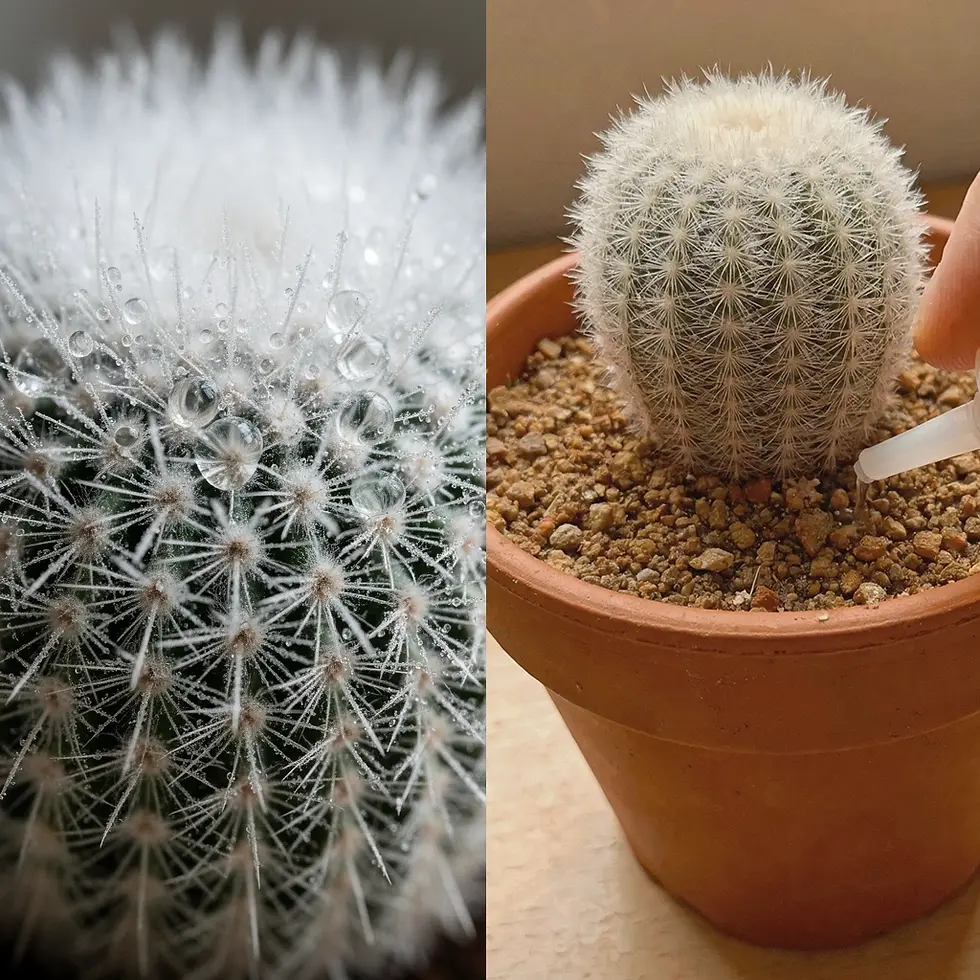
1. The "Shower" Approach (Top-Watering)
Those dense feathers act like a sponge. When you water from above, moisture gets trapped against the plant's skin, creating a breeding ground for fungal rot. By the time you see yellowing, it’s usually too late.
The Fix:
Bottom-Watering: Place the pot in a shallow tray of water for 15 minutes, allowing the soil to soak it up from the bottom.
Precision Tool: If you must water from the top, use a squeeze bottle to target the soil directly—never wet the "feathers."

2. Using "Standard" Cactus Soil
Off-the-shelf cactus mixes often contain too much peat. For a plumosa, which naturally clings to limestone cliffs in Mexico, these mixes stay damp for far too long.
The Fix:
Go Inorganic: Create a mix that is 70% mineral grit (pumice, perlite, or crushed limestone) and only 30% organic matter.
Pro Tip: Adding limestone chips mimics its native habitat and provides the alkalinity this species craves.

3. Treating Pests with Neem Oil
Mealybugs love hiding in those white spines. However, spraying Neem oil or horticultural soap is a visual death sentence; the oil permanently stains the white spines yellow or brown.
The Fix:
Spot Treatment: Use a Q-tip or soft brush dipped in 70% Isopropyl Alcohol to dab away pests.
Prevention: Use a systemic insecticide (like granules) in the soil. The plant absorbs it, killing pests from the inside out without ruining the aesthetic.

4. Petting the "Fluffy" Cactus
It looks like a kitten, but those feathers are actually hooked spines. Touching them tangles the hooks, and pulling away often rips the spines right out of the plant. Unlike leaves, cactus spines do not regrow, leaving your plant with permanent bald spots.
The Fix:
Look, Don’t Touch: Adopt a strict hands-off policy.
Dusting: If it gets dusty, use a camera lens blower or a very soft, dry makeup brush to gently clean it.

5. Skipping Winter Dormancy
If your Feather Cactus stays in a warm living room all year, it will never bloom. This species requires a "cold and dry" trigger to produce its iconic ring of cream-colored flowers.
The Fix:
The Cool Down: From late November to February, move the plant to a spot that stays between 45°F - 55°F (7°C - 13°C).
The Dry Spell: Stop watering completely during these months. The plant may shrink slightly, but this "stress" is what triggers the spring blooms.
The Takeaway
The Mammillaria plumosa isn't difficult—it’s just specific. Respect its need for airflow, mineral-heavy soil, dry spines, and a winter rest, and it will remain a pristine, snow-white centerpiece for decades.
Have you struggled with keeping your Feather Cactus white? Share your soil recipes or success stories in the comments below!


Comments